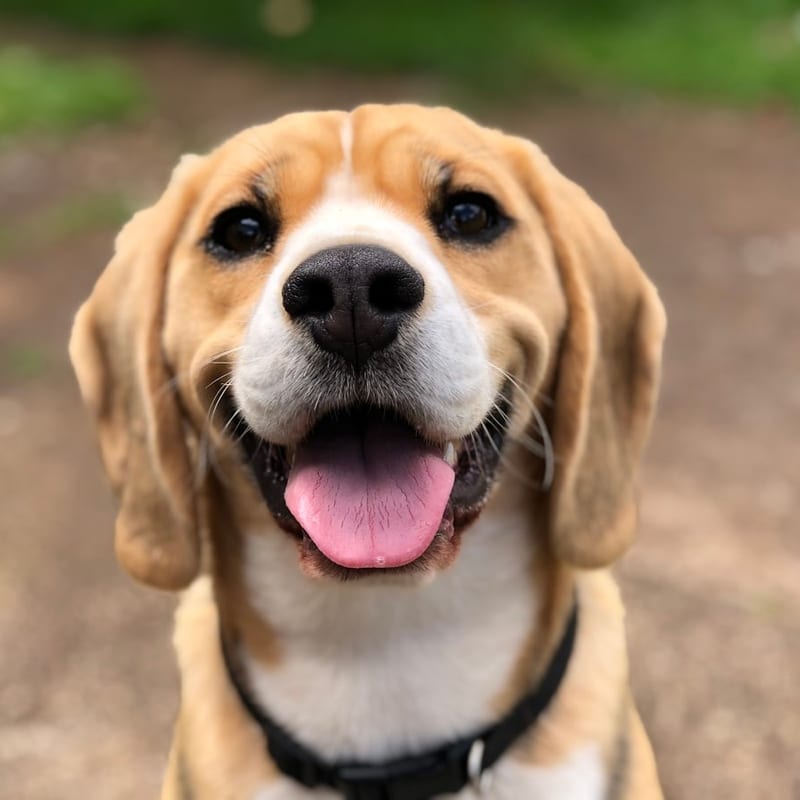
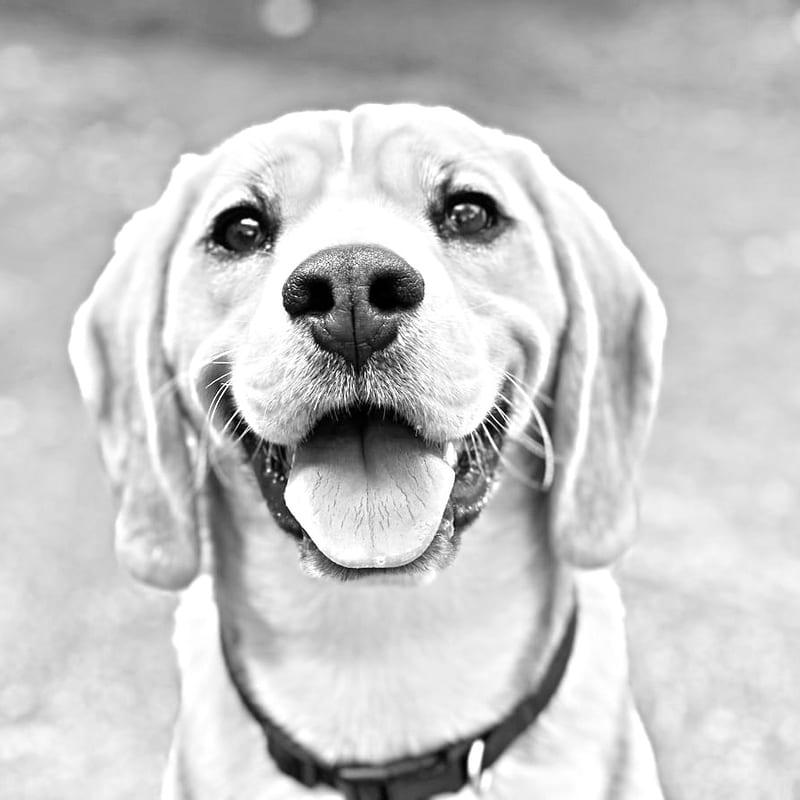
How the Dual Gaussian Blur Color Dodge Technique Works
The pencil sketch effect used by this converter relies on a layered image processing technique that mimics the tonal qualities of graphite on paper. The process begins by converting the source photograph to grayscale, preserving luminance values that represent how light or dark each area of the image is. A copy of this grayscale image is then inverted — every pixel's brightness is flipped so that darks become lights and lights become darks. This inverted copy undergoes Gaussian blur at two different radii. The first blur pass uses a moderate radius, capturing medium-scale tonal transitions. The second pass uses a wider radius, smoothing broader areas. The blurred, inverted image is then composited with the original grayscale image using the Color Dodge blend mode. The mathematics of Color Dodge division means that where the blurred inverse closely matches the original (in smooth, gradually changing tonal areas), the result approaches pure white — these areas become the empty paper of the sketch. Where strong edges or rapid tonal transitions exist, the blur fails to cancel the original values, leaving visible dark marks that become the pencil strokes of the sketch. The dual blur approach is significant because it creates strokes at multiple scales — fine detail strokes from the moderate blur and broader shading marks from the wider blur — producing a more natural, layered pencil effect than a single-pass technique.
Why This Technique Preserves Fur Texture Better Than Edge Detection: Many image-to-sketch tools use edge detection algorithms like Canny or Sobel, which identify and trace the boundaries between contrasting areas. These methods work well for objects with clean, defined edges — architecture, products, machinery — but they struggle with organic textures like animal fur. Edge detection tends to produce either too many lines (capturing every strand of fur as a separate edge, creating a chaotic tangle) or too few (missing the fur texture entirely, making a fluffy cat look like a smooth ceramic figurine). The Color Dodge blend approach avoids this problem because it does not explicitly detect edges at all. Instead, it responds to tonal transition gradients — the subtle, directional changes in brightness that occur along the flow of fur. These transitions produce soft, flowing pencil strokes that follow the natural direction of the coat, creating the impression that an artist carefully drew each tuft of fur with a graphite pencil. The result has depth and dimensionality: the slight variations in stroke darkness across the body suggest three-dimensional form, while the directional quality of the strokes communicates the animal's coat texture — sleek for a Labrador, fluffy for a Persian, wiry for a terrier.
Photographing Pets for the Best Sketch Results
The quality of the source photograph has a significant impact on the final sketch. Lighting is the single most important factor. Natural light from a window provides soft, directional illumination that creates gentle shadows defining facial features and body contour — exactly the kind of tonal information the algorithm translates into expressive pencil strokes. Avoid direct flash, which creates flat, shadowless lighting and often produces the dreaded "red eye" (or "green eye" in many animals). The best time for pet photography is near a large window on an overcast day, when light is bright but diffuse. Position yourself so the light falls from one side, creating a gentle gradient across the face that gives the sketch dimensionality. Background simplicity matters too. A plain wall, a solid-colored blanket, or an out-of-focus natural background produces the cleanest sketches. Busy backgrounds with furniture, patterns, or other visual clutter will appear as extraneous marks in the sketch that need to be cleaned up. Timing and patience are essential when photographing animals. Get down to the pet's eye level rather than shooting from above. Use a fast shutter speed to freeze any movement — motion blur produces smudged, undefined sketches. The most expressive pet portraits typically capture the animal in a calm, attentive moment: ears forward, eyes engaged, body relaxed. Treats held near the camera lens are the photographer's secret weapon for getting a dog's alert, focused expression. For cats, a dangling toy above the camera can achieve a similar engaged look.
Working with Different Fur Types
Different coat types produce distinctively different sketch aesthetics, and understanding this helps you choose the right intensity settings and source photos. Long-haired breeds like Golden Retrievers, Maine Coons, and Afghan Hounds produce sketches with flowing, directional strokes that beautifully convey the movement and volume of their coats. The algorithm captures the sweeping lines of long fur particularly well, creating results that look like an artist spent considerable time rendering each flowing section. Short-haired breeds like Beagles, Siamese cats, and Boxers produce cleaner, more defined sketches where facial features and muscular contours are more prominent than coat texture. The sketch emphasizes the animal's structure and expression rather than its fur. Wire-haired breeds like Wire Fox Terriers and Brussels Griffons create an interesting textural quality in the sketch — the rough, irregular coat translates into energetic, varied stroke marks that give the portrait a lively character. Hairless breeds like Sphynx cats and Chinese Crested dogs present a unique case: without fur texture, the sketch relies entirely on the contours of skin folds, facial features, and body shape, producing portraits that have an almost sculptural quality with clean, smooth lines.
Sketching Different Animal Types
While dogs and cats are the most commonly photographed pets, this converter works well with a wide range of animals, each presenting its own characteristics. Dogs are perhaps the most rewarding subjects because of the extraordinary variation in facial structure across breeds — the flat face of a Bulldog, the long muzzle of a Greyhound, the round eyes of a Cavalier King Charles Spaniel each produce distinctly different portraits. Cats, with their prominent whiskers, triangular ears, and large expressive eyes, produce some of the most striking sketches — the contrast between bright eyes and surrounding fur translates into dramatic focal points. Birds present an interesting challenge: feather texture is finer than mammalian fur, and the algorithm captures it as delicate, closely spaced strokes. Parrots and cockatoos with their defined plumage patterns produce particularly beautiful results. Horses are excellent subjects for pencil sketches — their muscular contours, flowing manes, and expressive faces have made them favorite subjects of artists for centuries, and the algorithm captures these qualities effectively. Rabbits, with their soft fur and distinctive ear shapes, create charming portraits with gentle, soft strokes. Even reptiles and fish can produce interesting results, though the effect is different from furry animals — scales and smooth surfaces create a more graphic, high-contrast look.
Color Pencil Mode Explained
The Color Pencil toggle activates a blended mode that combines the pencil sketch effect with color information from the original photograph. Technically, this works by generating the standard grayscale pencil sketch and then blending it with a desaturated version of the original image using a luminosity-based compositing method. The result retains the linear, hand-drawn quality of the pencil sketch — the strokes, the white paper areas, the emphasis on edges and texture — while introducing gentle color that appears to be applied with colored pencils rather than painted or photographed. This mode is particularly effective for pets with distinctive coloring: the orange and white patches of a calico cat, the golden warmth of a Labrador's coat, the striking blue of a macaw's feathers. The colors appear soft and artistic rather than photographic, maintaining the handmade aesthetic that makes the sketch feel like art rather than a filter.
Decorative Frame Options and When to Use Each
The converter offers several frame options that add a finishing touch to the pet portrait. The Oval frame is the most traditional choice for portraiture, echoing the cameo and miniature portrait traditions of the 18th and 19th centuries. It creates an elegant, classic presentation that works beautifully for formal display and gift giving. Oval frames naturally direct attention to the center of the image, making them ideal for head-and-shoulders portraits where the pet's face is the primary subject. The Circle frame offers a modern, clean alternative that works particularly well for social media profile pictures and small printed pieces. Its geometric simplicity makes it versatile across different display contexts. The Heart frame adds emotional warmth and is especially popular for gifts, Valentine's Day projects, and memorial pieces. It unambiguously communicates love and attachment, making it a natural choice for the emotional context in which many pet portraits are created.
Printing and Framing Pet Portraits
The converter outputs high-resolution PNG files suitable for professional-quality printing. For the best results when printing pet portraits, use a photo-quality inkjet printer with matte or fine art paper rather than glossy photo paper — the textured surface of matte paper complements the pencil sketch aesthetic, while glossy paper creates a disconnect between the hand-drawn look and the shiny surface. Standard photo print sizes (5x7, 8x10, 11x14) are all well-supported by the output resolution. For framing, consider a white or off-white mat board that matches the white background of the sketch, creating a seamless transition from artwork to frame. Simple frames in black, white, or natural wood complement the understated elegance of pencil artwork without competing for attention. For a premium presentation, float-mounting the print (attaching it to a rigid backing with a small gap between the print and the frame glass) creates a contemporary gallery look.
Pet Memorial Art Considerations
One of the most meaningful uses of pet portraits is memorializing a beloved animal that has passed away. The pencil sketch aesthetic is particularly well-suited for memorial art — it has a gentle, timeless quality that photographs sometimes lack, and the interpretive nature of the sketch can feel more like a loving remembrance than a clinical record. When creating memorial pieces, choose a photograph that captures the pet's personality and spirit rather than necessarily the highest quality image. A slightly imperfect photo from a happy moment often produces a more emotionally resonant sketch than a technically perfect but personality-free portrait. Memorial pet portraits can be displayed individually, incorporated into shadow boxes alongside a collar or tag, or included in remembrance albums. Some pet owners commission multiple sketches from different life stages to create a chronological tribute.
Using Pet Sketches for Custom Merchandise and Gift Ideas
Pet pencil sketches are versatile artwork that can be applied to a wide range of custom products. Many online print-on-demand services accept uploaded artwork and apply it to mugs, phone cases, tote bags, throw pillows, canvas prints, t-shirts, and more. The high-contrast black-and-white nature of pencil sketches reproduces well across these different media, often looking better than photographs which can suffer from color accuracy issues on different substrates. Gift ideas for pet lovers include: a framed sketch as a housewarming gift for someone who has recently adopted, a set of custom greeting cards featuring the recipient's pet, a coffee mug with a pet portrait for a daily reminder, a tote bag for the dog park, or a canvas print as a significant birthday or holiday present. The Color Pencil mode can be particularly appealing for merchandise, adding color that makes products more visually interesting while maintaining the artistic quality that distinguishes the piece from a simple photo print. For other artistic styles, you might also enjoy our wedding sketch converter for couple portraits or our coloring page maker to create a fun interactive version of your pet portrait.
All processing runs entirely in your browser — your precious pet photographs are never uploaded to any server. This privacy guarantee means you can safely process sensitive or deeply personal images without any concern about data collection. The tool is completely free, produces instant results, and requires no account creation.